
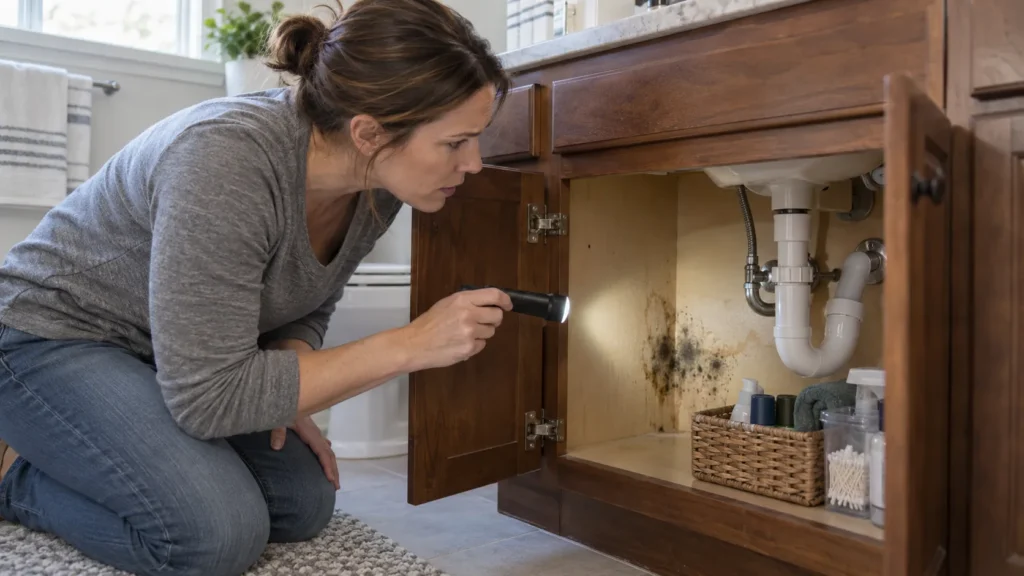
A homeowner finding mold underneath their bathroom vanity
Mold Inspections

Feeling Sick at Home but Fine Elsewhere? How to Investigate Your Indoor Environment

Feeling sick at home but fine elsewhere can make you question what’s happening inside your house. Maybe headaches ease at work, congestion improves on vacation, or fatigue seems less noticeable after a weekend away. That pattern doesn’t prove mold is the cause, but it can be useful information. Indoor moisture, mold, allergens, ventilation, combustion sources and other environmental factors may all deserve consideration. This guide explains why location-dependent symptoms matter, which clues make hidden mold more worth investigating, what to tell your healthcare provider, and how to examine your home without using symptoms alone to diagnose the problem.

The Mold Dog team approaching a home in Tennessee for a mold inspection
Mold Inspections

What Happens During a Mold Dog Inspection?

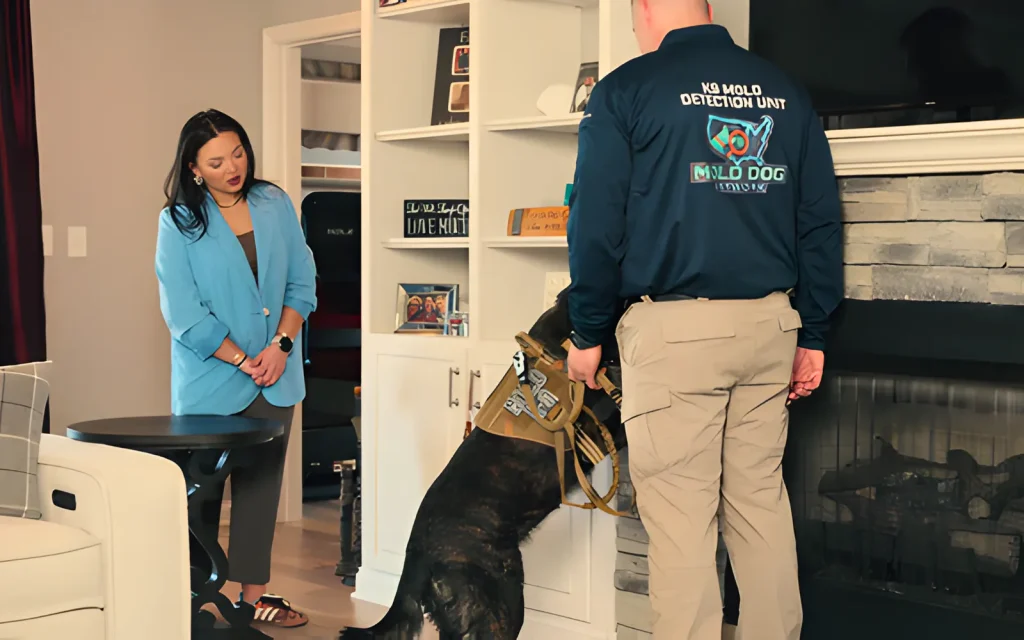
Wondering what happens during a mold dog inspection? It’s much more systematic than simply letting a dog wander through your home. Before the visit, Mold Dog Network asks homeowners to improve access to walls and remove obvious nuisance mold sources. During the inspection, the trained canine remains on leash while its handler works through rooms in a controlled search pattern. When the dog detects its trained mold odor, it gives a clear alert that’s marked and later photographed. In this guide, MDN co-owner Caleb Jones explains the process from preparing your property through receiving documented findings after the search.

A mold dog network mold dog and handler inspecting a cabinet for hidden mold
Mold Inspections

What Do Home Inspectors Not Look For When It Comes to Mold?

A standard home inspection can be helpful, but it isn’t the same as a dedicated mold inspection. Home inspectors usually focus on visible, accessible areas and may not be able to evaluate what’s happening behind drywall, under flooring, inside cabinets, or within HVAC-related spaces. This matters when hidden mold is suspected after leaks, musty smells, failed testing, or past remediation. This guide explains what home inspectors typically look for, what they may not look for, and when mold dog inspections can help locate hidden mold odor that a standard inspection may not uncover.

Scroll to Top