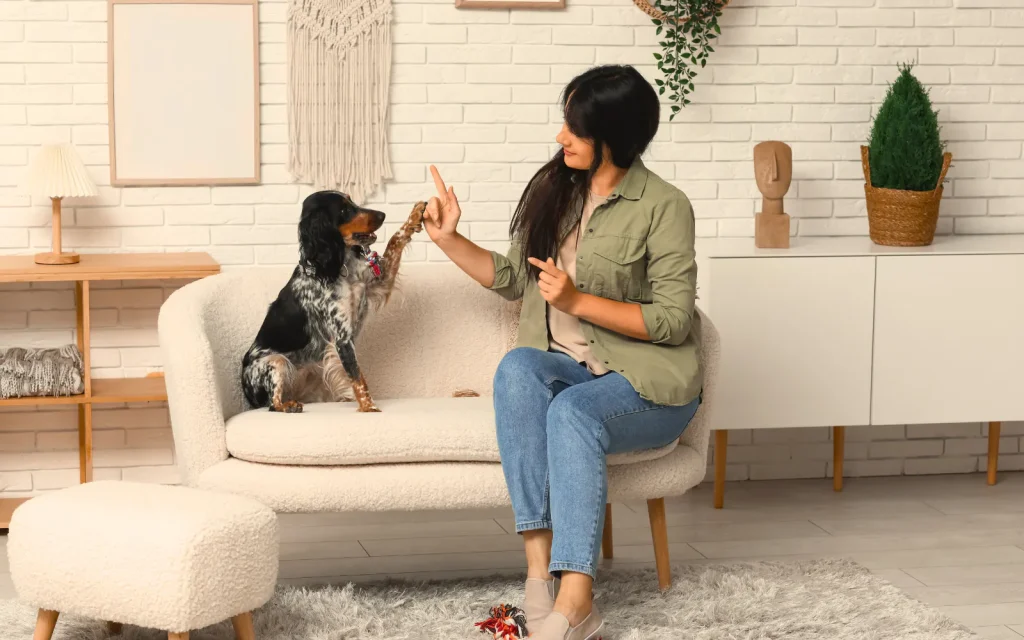
Mold dog training in progress
Mold Inspections

Can Air Testing Miss Hidden Mold?

Air testing can be useful, but it doesn’t always tell the full story. If mold is hidden behind walls, under floors, behind cabinets, or inside HVAC components, spores may not pass through the air sample during the short testing window. That means a home can still have hidden mold even when an air test comes back normal. In this article, we’ll explain what air testing actually measures, why hidden mold can be missed, and when a mold dog inspection may be a better next step for locating the source.
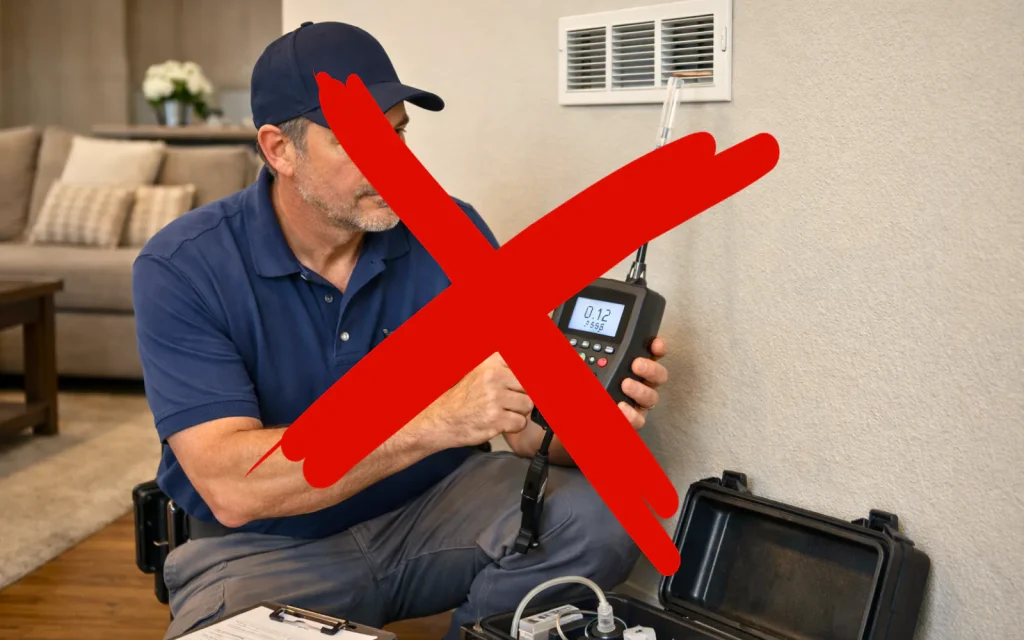
An image of air quality testing in progress with a large cross over it, representing the problems with air quality testing and the benefits of using mold dogs
Mold Inspections

Do Mold Tests Tell You Where the Mold Is?

Many homeowners assume that if they pay for mold testing, they’ll receive a report showing exactly where the mold is hiding. In reality, that’s rarely how mold testing works. Air samples, swab tests, and laboratory analysis can confirm the presence of mold or identify mold species, but they generally don’t pinpoint the hidden source. In this article, we’ll explain what mold tests can and can’t tell you, why homeowners are often left with more questions than answers, and when a mold dog inspection may be the better option for locating hidden mold.

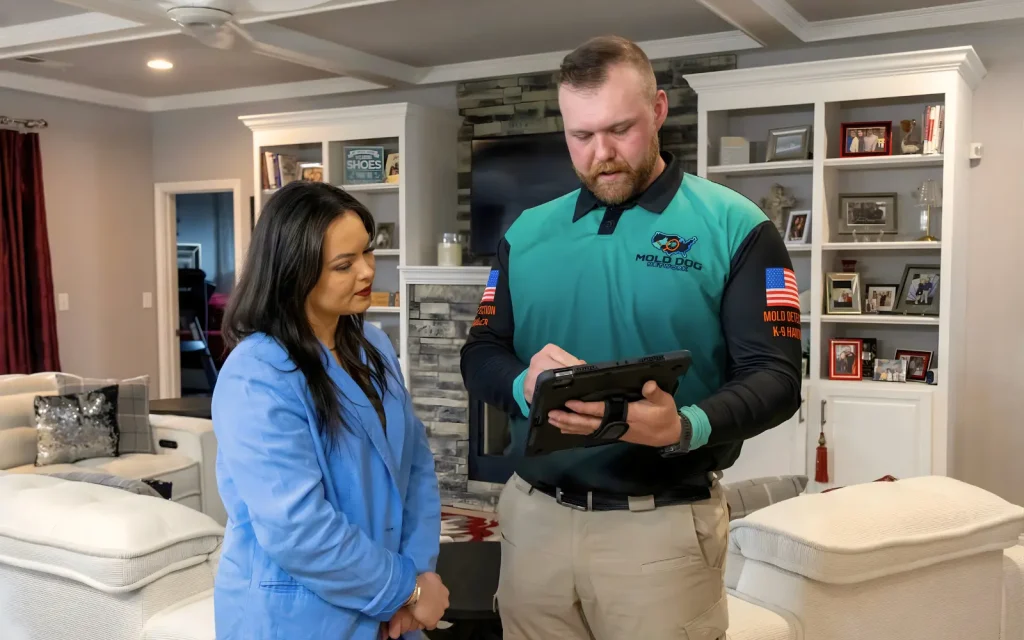
A mold dog network employee discussing the mold inspection findings with a homeowner
Mold Inspections

Industrial Hygienist vs Mold Dog: Which Should You Call First?

If you suspect hidden mold, it can be hard to know whether to call an industrial hygienist or a mold dog inspection team first. Industrial hygienists are valuable when you need a formal remediation scope, professional sampling, moisture assessment, or third-party documentation. Mold dog inspections are different: they’re designed to locate hidden mold odor quickly and non-invasively. In this article, we’ll compare industrial hygienists vs mold dogs, explain what each one does best, and help you decide which should come first based on the question you need answered.

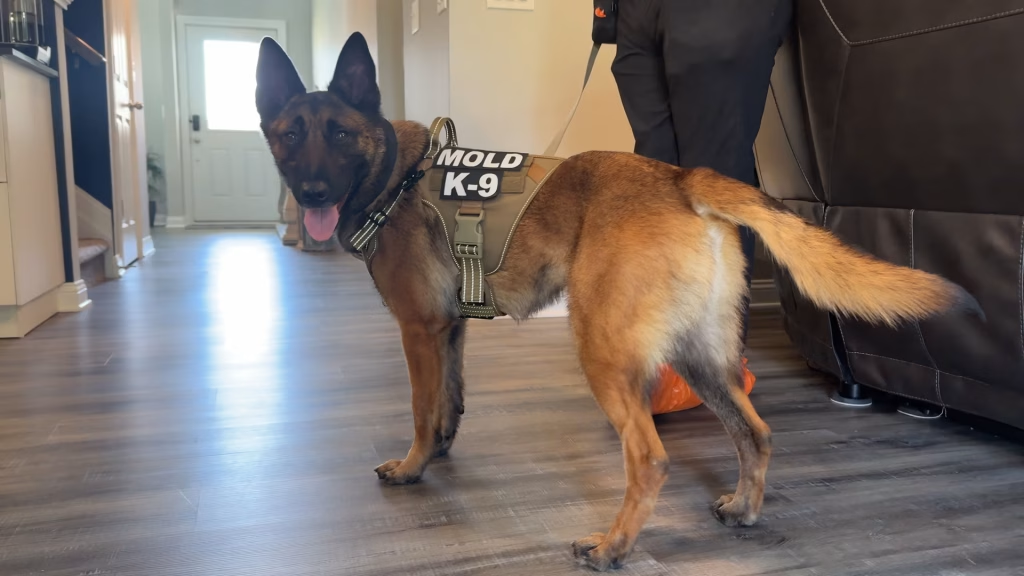
A mold dog in a Kentucky home
Mold Inspections

Thermal Imaging vs Mold Dogs for Hidden Mold Detection

Thermal imaging is a valuable inspection tool, but it doesn’t actually detect mold. Instead, it identifies temperature differences that may indicate moisture, insulation gaps, or air leaks. A mold dog inspection works differently. Trained mold detection dogs locate the odor produced by active mold growth, helping identify hidden mold behind walls, under flooring, and inside other concealed spaces. In this article, we’ll compare thermal imaging vs mold dogs, explain what each method can and can’t do, and help you understand when each one makes the most sense.

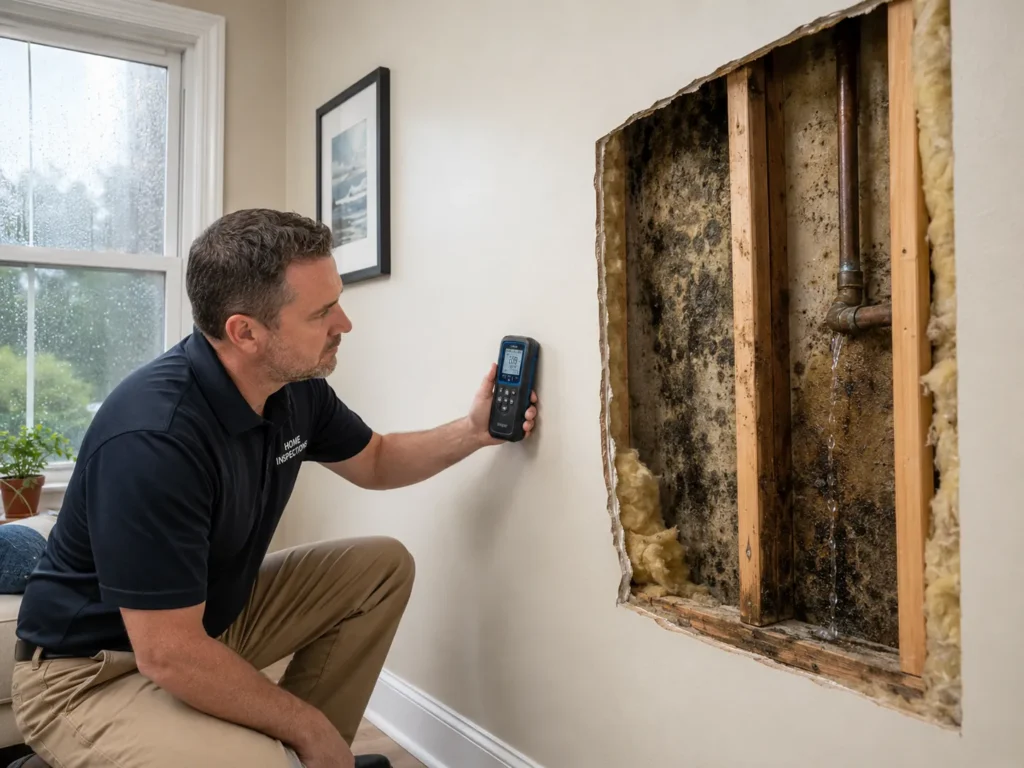
A man using a moisture meter during a typical remediation mold test
Mold Inspections

What Is the 5-Minute Mold Test (and Can You Trust It?)

You may have heard someone refer to an air sample as the “5-minute mold test.” While the name isn’t an official industry term, it describes one of the most common methods of mold testing: collecting an air sample over a short period and sending it to a laboratory for analysis. The problem is that many homeowners misunderstand what the test can actually tell them. In this article, we’ll explain how a 5-minute mold test works, where it can be helpful, why it sometimes misses hidden mold, and when a mold dog inspection may be the better next step.

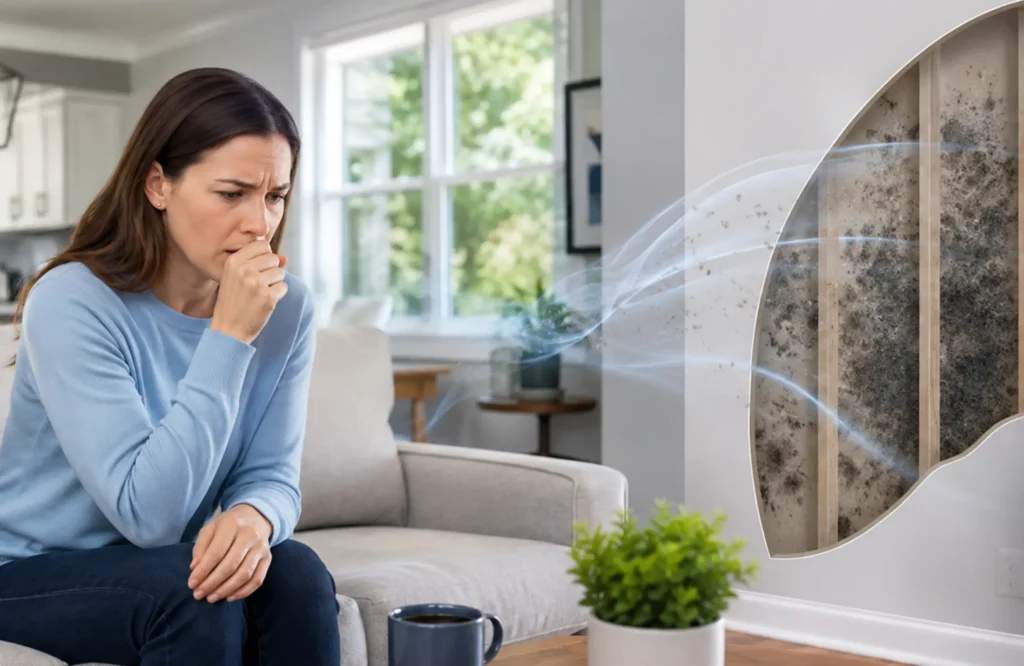
Woman coughing at home with hidden mold behind the wall, highlighting how unseen moisture and mold concerns may affect indoor air quality.
Mold Inspections

What to Do If Your Mold Test Was Negative but You Still Smell Mold

If your mold test came back negative but you still smell mold, the test may not have located the source of the problem. Air samples only capture spores moving through the air during a short testing window, and hidden mold behind walls, under floors, behind cabinets, or inside HVAC-related areas may not show up. A persistent musty smell should not be ignored, especially if there’s been past water damage. This article explains why mold tests can come back negative, what signs to watch for, and when a mold dog inspection may help find hidden mold.

An image of air quality testing in progress with a large cross over it, representing the problems with air quality testing and the benefits of using mold dogs
Mold Inspections

Why Mold Air Samples Can Come Back Normal When Mold Is Still Present

A normal mold air sample doesn’t always mean your home is mold-free. Air samples only capture what passes through the testing device during a short window of time. If mold is hidden behind walls, under flooring, behind cabinets, or inside HVAC-related areas, spores may not be moving through the sampled air when the test is taken. That’s why homeowners can receive “normal” results even when a musty smell, moisture history, or health concerns continue. This article explains why mold air samples can come back normal and when a mold dog inspection may help locate the hidden source.

Mold Dog Network in Nashville, TN for a mold inspection
Mold Inspections

Mold Testing vs Mold Dog Inspections: Which Is Better for Finding Hidden Mold?

If your mold test came back normal but your home still smells musty, or you still feel worse inside, the test may not have answered the question you really needed answered. Mold testing can confirm what type of mold may be present, but it often doesn’t show where hidden mold is growing. Mold dog inspections are designed to locate active mold sources behind walls, under floors, inside HVAC systems, and other hard-to-access areas. In this guide, we compare mold testing, air samples, swabs, industrial hygienists, and mold dog inspections so you can choose the right next step.

A mold dog and handler in a residential home
Mold Inspections

Mold Inspection vs Mold Testing: What’s the Difference?

Mold inspection and mold testing are often confused, but they don’t do the same job. A mold test analyzes a sample. A mold inspection should help locate where the problem may be coming from. That difference matters when mold is hidden behind walls, under floors, inside cabinets, or in HVAC-related areas. This guide explains how visual inspections, air testing, swab testing, and mold dog inspections compare, where each method can help, and why testing alone doesn’t always tell homeowners where mold is growing. If your test results didn’t explain the problem, source location may be the missing piece.

Scroll to Top