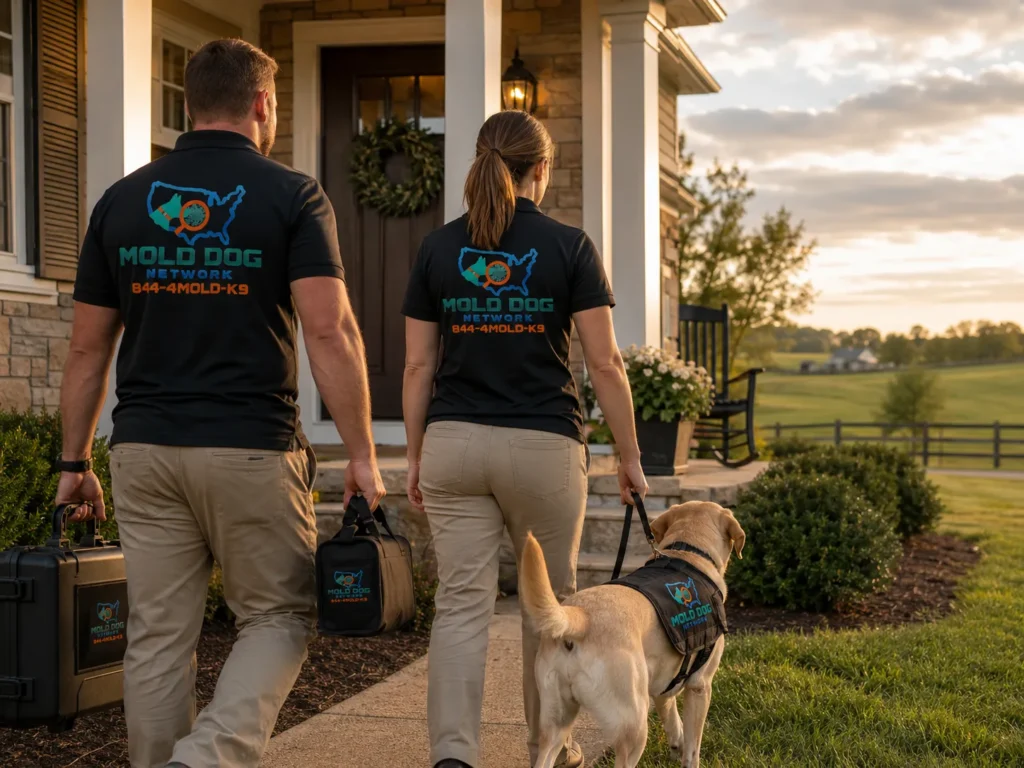

Mold Dog Network in Nashville, TN for a mold inspection
Mold Inspections

Mold Testing vs Mold Dog Inspections: Which Is Better for Finding Hidden Mold?

If your mold test came back normal but your home still smells musty, or you still feel worse inside, the test may not have answered the question you really needed answered. Mold testing can confirm what type of mold may be present, but it often doesn’t show where hidden mold is growing. Mold dog inspections are designed to locate active mold sources behind walls, under floors, inside HVAC systems, and other hard-to-access areas. In this guide, we compare mold testing, air samples, swabs, industrial hygienists, and mold dog inspections so you can choose the right next step.
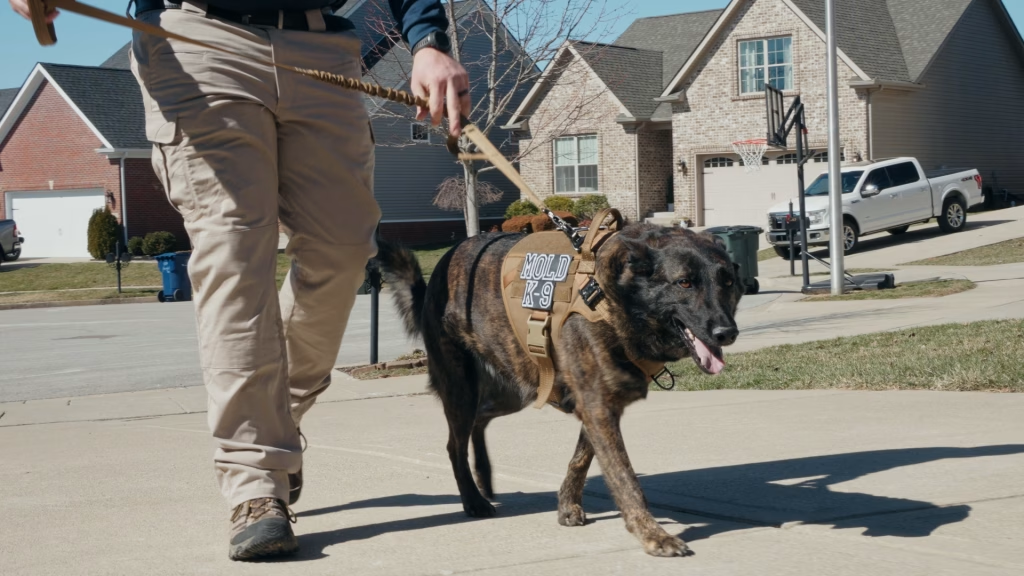
Mold dog on residential property
Mold Inspections

How to Tell If Mold Is Behind Your Walls

Suspecting mold behind a wall can be unsettling, especially when the paint looks clean and there is no visible growth. Hidden leaks, condensation, poor insulation, or past water damage can leave drywall, framing, and insulation damp inside the cavity. Warning signs include musty odors, peeling paint, warped trim, stains, soft drywall, and symptoms that worsen in certain rooms. Mold Dog Network uses trained detection dogs to locate mold scent signatures behind finished surfaces without random demolition. By identifying where odor is strongest, homeowners gain a focused starting point for further inspection, moisture repairs, and professional remediation instead of relying on guesswork alone.

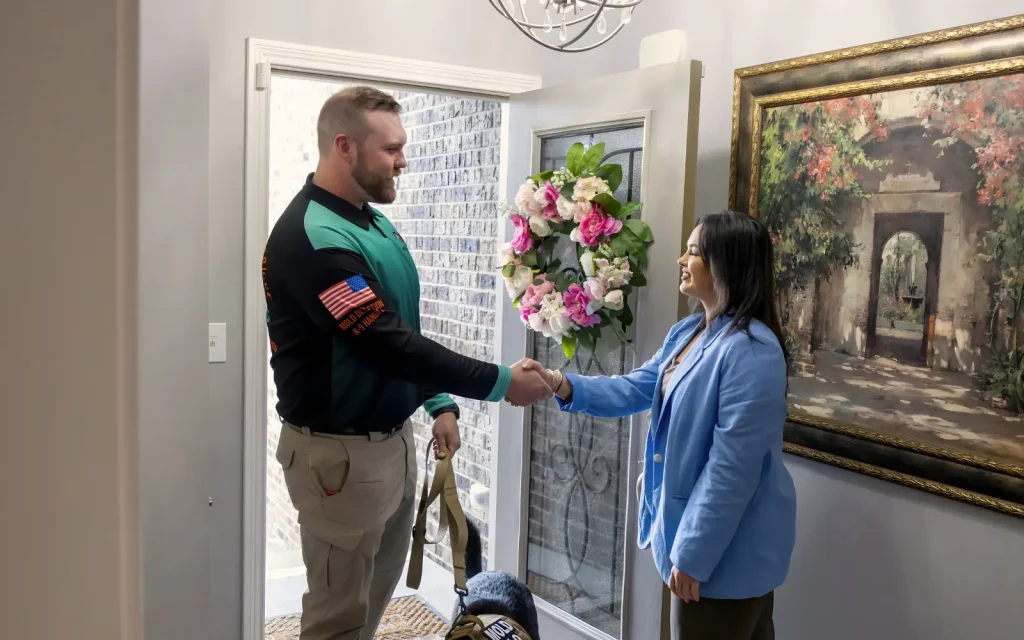
A member of the Mold Dog Network team being welcomed into a home during a residential mold inspection
Mold Inspections

Common Mold Hiding Places Most Homeowners Miss

Mold often grows where homeowners cannot see it, including behind walls, under flooring, around chimneys, inside cabinets, above ceilings, and near HVAC systems. Hidden moisture from leaks, condensation, humidity, or poor ventilation can feed growth long before visible signs appear. Musty odors, staining, warped materials, and symptoms that worsen at home may signal a concealed problem. Mold Dog Network uses trained detection dogs to follow mold scent signatures and identify likely source areas without random demolition. A focused inspection helps homeowners avoid costly guesswork, understand where to investigate, and plan the next steps with greater clarity and confidence for remediation.

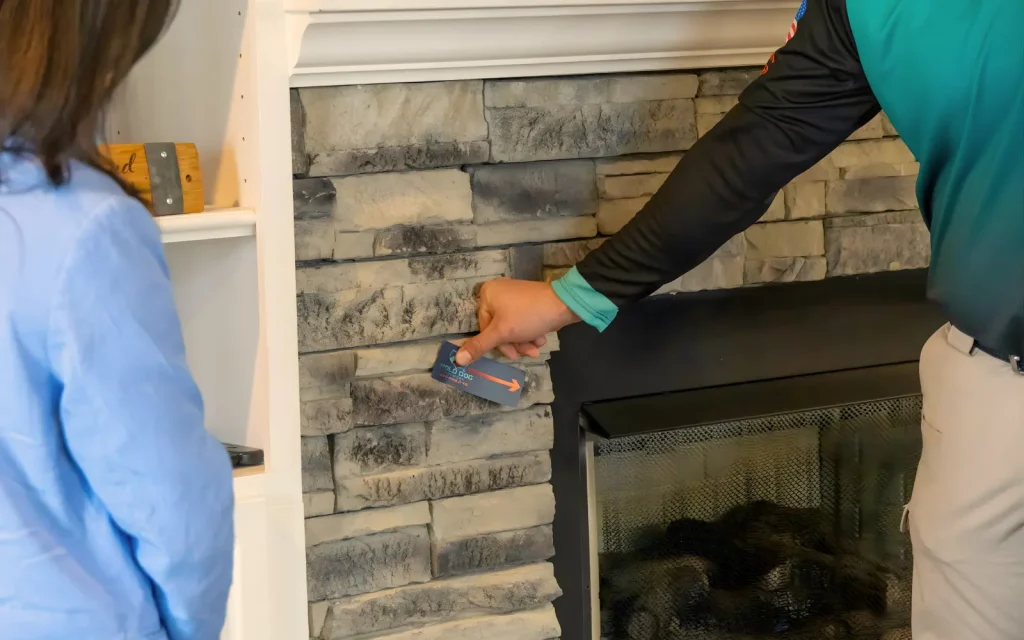
A mold concern in a home being labelled after mold inspection
Mold Inspections

Hidden Mold in Your Home: Signs, Common Hiding Places, and How to Find It

Hidden mold can grow quietly behind walls, under flooring, around chimneys, inside cabinets, and near HVAC systems long before you ever see a stain. You may notice a musty smell, recurring dust, past water damage, or symptoms that feel worse at home, but still be told everything looks fine. That’s what makes hidden mold so frustrating: the problem is often buried inside cavities where traditional inspections can miss it. A trained mold detection dog uses scent to help pinpoint where mold may be hiding, so homeowners can stop guessing and focus on the source.

Scroll to Top