
Mold growing in a bedroom corner with a sick homeowner sitting on their bed
Mold Inspections

Can Mold Exposure Cause Brain Fog, Fatigue, or Headaches?

Brain fog, persistent fatigue and repeated headaches are common reasons homeowners begin wondering whether something in their environment is affecting them. Mold Dog Network hears these concerns regularly, particularly from people who feel worse at home or have a history of water damage. Research has found associations between damp or moldy buildings and headaches and fatigue, but these symptoms are highly nonspecific and can have many other causes. This guide looks at what the evidence actually tells us, why symptoms alone can’t diagnose mold exposure, and when a combination of health concerns and building clues makes investigating your home a reasonable next step.

A homeowner sitting at a table in their kitchen obviously struggling with migraines
Mold Inspections

What Does Mold Poisoning Feel Like?

What does mold poisoning feel like? There isn’t one universal experience. Some people exposed to damp or moldy environments develop congestion, coughing, wheezing, irritated eyes or skin reactions, while others report headaches, fatigue or difficulty concentrating. Many of these symptoms can also have completely unrelated causes, so how you feel can’t diagnose mold exposure on its own. This guide explains what people commonly mean when they talk about “mold poisoning,” which health effects have the strongest medical evidence, and why symptoms become more meaningful when they happen alongside environmental clues such as water damage, musty odors or known hidden mold.

Woman experiencing mold toxicity symptoms and schheduling a mold dog inspection to find hidden mold
Mold Inspections

What Are the 10 Warning Signs of Mold Toxicity?

People searching for the 10 warning signs of mold toxicity are often already dealing with symptoms they can’t explain. Headaches, congestion, skin irritation, fatigue and difficulty concentrating may all raise questions about mold exposure, particularly when symptoms seem worse at home. But there isn’t a single symptom checklist that can diagnose a mold-related illness, and many of these problems have other possible causes. This guide explains 10 concerns people commonly report, what medical research supports most clearly, and why symptoms should be considered alongside environmental clues such as water damage, musty odors and known mold growth.

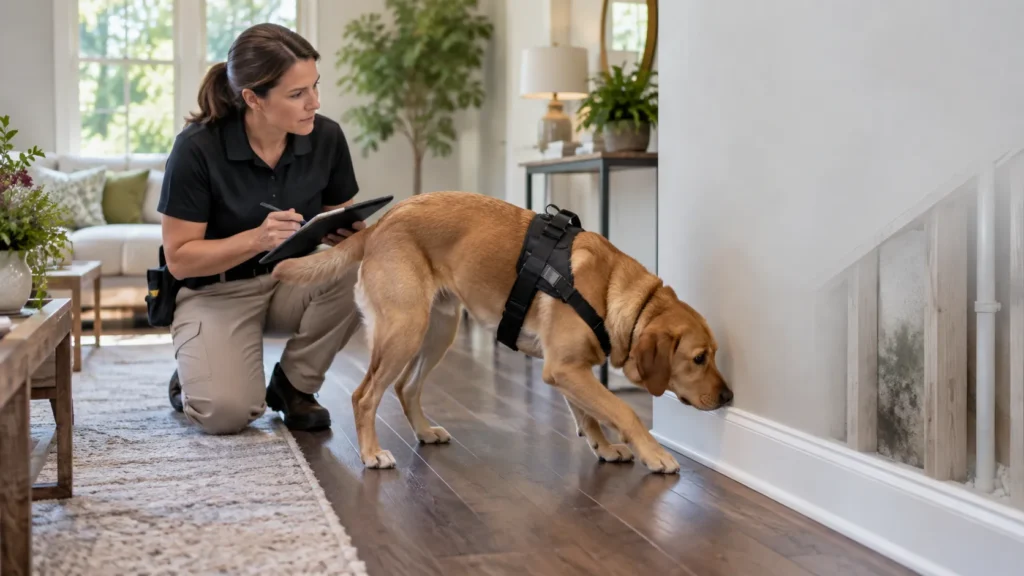
Mold detection dog inspecting a clean interior wall while its handler documents the location.
Mold Inspections

Mold Exposure Symptoms: When Your Home Could Be Part of the Problem

If you feel worse at home but can’t see mold, the uncertainty can be exhausting. Mold exposure can affect people differently, and symptoms alone can’t tell you whether your home is the cause. This guide explains which health concerns are commonly associated with damp or moldy environments, which symptoms are less specific, and when it makes sense to investigate your property. Drawing on Mold Dog Network co-owner Tina Craig’s experience with worried families, it also explains how hidden mold can escape visual inspection and how a mold dog inspection can help locate possible sources without unnecessarily tearing your home apart.

Mold Dog Network in Lexington KY
Mold Inspections

How Much Does a Mold Detection Dog Inspection Cost?

How much does a mold detection dog inspection cost? Mold Dog Network has historically priced residential inspections according to property size, with larger homes requiring more search coverage. But the number only makes sense when you understand what you’re paying for: a trained canine-handler team systematically searching accessible areas for hidden mold and documenting alert locations afterward. In this guide, we explain MDN’s historical pricing structure, why square footage matters, what’s included in a mold dog inspection, and why the cheapest mold test isn’t always the least expensive route to actually finding the source.

A mold dog after identifying hidden mold in an HVAC vent
Mold Inspections

What Happens After a Mold Dog Alerts?

What happens after a mold dog alerts during an inspection? The alert is only the beginning of the next part of the process. Mold Dog Network marks the location, continues searching for other possible sources, photographs the alert areas and provides the homeowner with a digital report. From there, the findings can help a remediation company, industrial hygienist or other appropriate professional focus on specific areas rather than starting from scratch. In this guide, MDN co-owner Caleb Jones explains what an alert means, what it doesn’t mean, how findings are documented and how homeowners should use that information afterward.

The Mold Dog team approaching a home in Tennessee for a mold inspection
Mold Inspections

What Happens During a Mold Dog Inspection?

Wondering what happens during a mold dog inspection? It’s much more systematic than simply letting a dog wander through your home. Before the visit, Mold Dog Network asks homeowners to improve access to walls and remove obvious nuisance mold sources. During the inspection, the trained canine remains on leash while its handler works through rooms in a controlled search pattern. When the dog detects its trained mold odor, it gives a clear alert that’s marked and later photographed. In this guide, MDN co-owner Caleb Jones explains the process from preparing your property through receiving documented findings after the search.

A homeowner discussing their mold report after a mold inspection with mold dog network
Mold Inspections

What Does a Mold Dog Inspection Report Include?

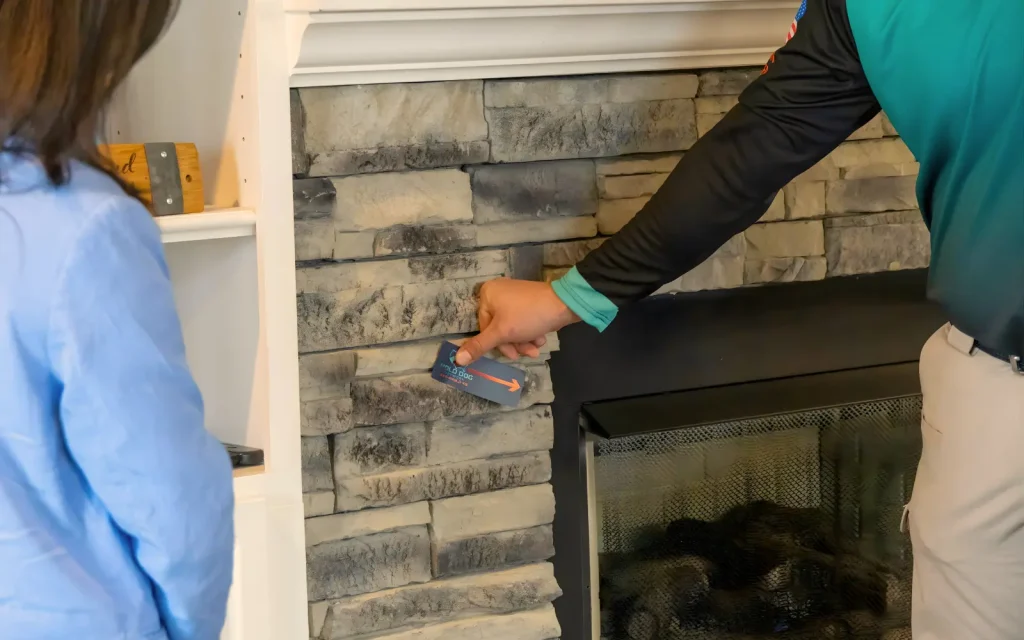
What does a mold dog inspection report include, and what can you actually do with it afterward? During a Mold Dog Network inspection, canine alerts are temporarily marked while the handler works through the property. Once a room is complete, the handler photographs the alert locations and incorporates those findings into a digital report for the homeowner. The purpose isn’t to create a lab analysis or remediation plan. It’s to give you a lasting record of the specific areas where the trained mold dog alerted. Here, MDN co-owner Caleb Jones explains what gets documented, why photographs matter and how to use your findings next.

A mold concern in a home being labelled after mold inspection
Mold Inspections

How Do Mold Dogs Find Mold Behind Walls?

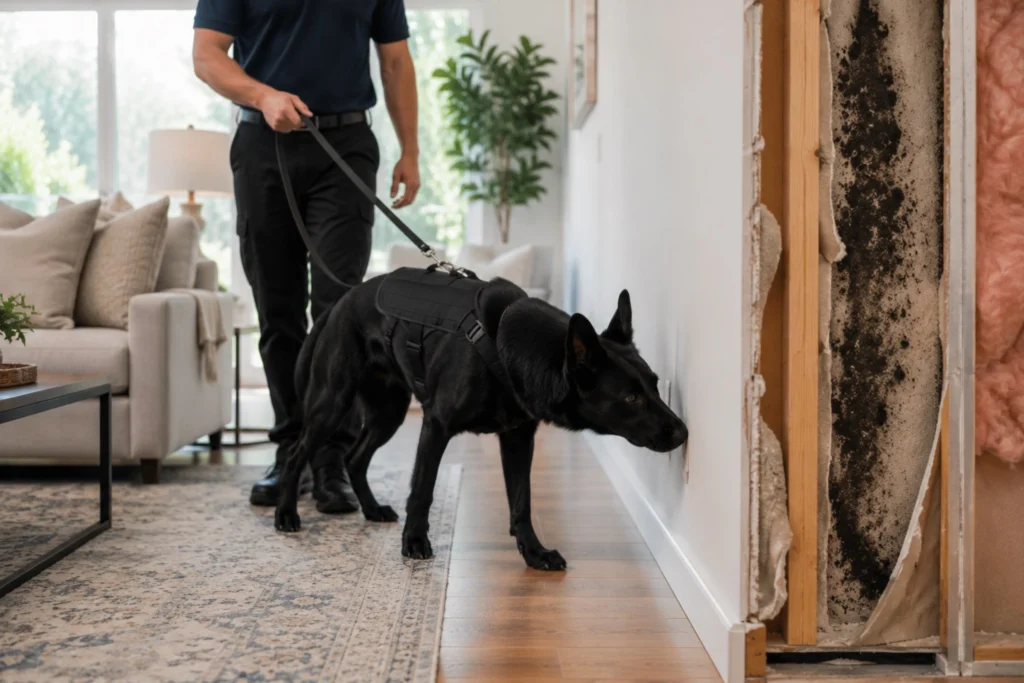
How do mold dogs find mold behind walls when they can’t actually see inside them? The answer comes down to scent detection, training and a systematic search process. Mold Dog Network’s dogs are trained to recognize mold-related target odors, while handlers guide them along accessible wall areas rather than letting them wander freely through a room. When the dog detects its trained odor, it gives a clear alert that the handler can mark and document. In this guide, MDN co-owner Caleb Jones explains how wall searches work, why furniture placement matters, what an alert means and why locating mold doesn’t require opening every wall first.

Professional K-9 mold detection dog inspecting a residential wall with hidden mold visible inside the wall cavity during a Mold Dog Network home inspection.
Mold Inspections

How Accurate Are Mold Detection Dogs?

How accurate are mold detection dogs when they’re working in a real home? Mold Dog Network uses a 90–95% operating accuracy range for locating hidden mold in areas its canine-handler teams can properly inspect, but MDN co-owner Caleb Jones is clear that no detection method is perfect. Access, property preparation, environmental conditions, the dog’s training and the handler’s inspection process can all influence the result. In this guide, we’ll explain what MDN’s accuracy range actually means, where errors can occur, why systematic searches matter, and what homeowners should realistically expect when using a trained mold dog to locate hidden mold.

Mold Dog Network in Cincinnati Ohio
Mold Inspections

Are Mold Sniffing Dogs Legit? What Homeowners Should Know 

Mold sniffing dogs can sound unusual at first, especially if you’ve only heard of detection dogs being used for drugs, explosives or search-and-rescue work. But professional mold detection dogs aren’t pets being encouraged to sniff around a home. They’re working dogs selected for drive, trained to recognize specific mold-related odors and paired with handlers who follow a controlled search process. In this article, Mold Dog Network co-owner Caleb Jones explains what makes mold sniffing dogs legitimate, how MDN selects its canine teams, what homeowners should look for in a professional inspection, and why no reputable company should claim its dogs are perfect.

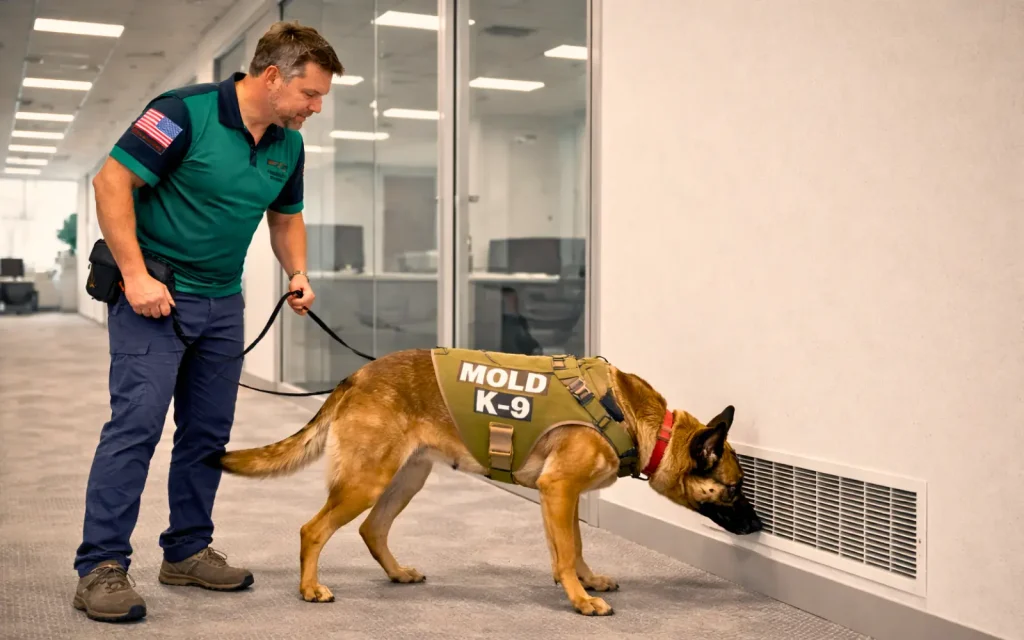
A mold dog snifing around an HVAC air vent during an office mold inspection
Mold Inspections

Mold Dog Inspections: How Mold Detection Dogs Find Hidden Mold

Mold dog inspections can sound unusual until you understand how they work. Mold Dog Network’s detection dogs are trained much like other working scent dogs: they learn to recognize target mold odors, search rooms systematically with a trained handler, and give a clear alert when they locate that scent. In this guide, MDN co-owner Caleb Jones explains how mold dogs are selected and trained, why inspections are performed on leash, what an alert looks like, what can affect accuracy, and how findings are documented. If you suspect hidden mold but can’t locate it, this explains what a mold dog inspection actually involves.

Scroll to Top