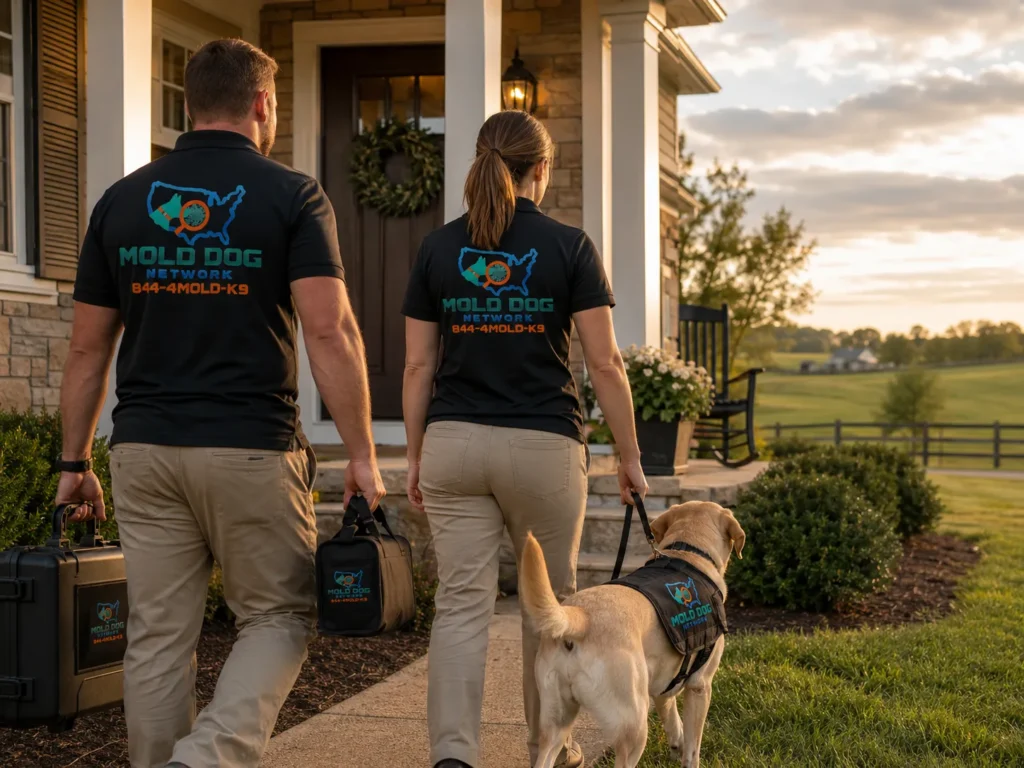

A member of the Mold Dog Network team being welcomed into a home during a residential mold inspection
Mold Inspections

Common Mold Hiding Places Most Homeowners Miss

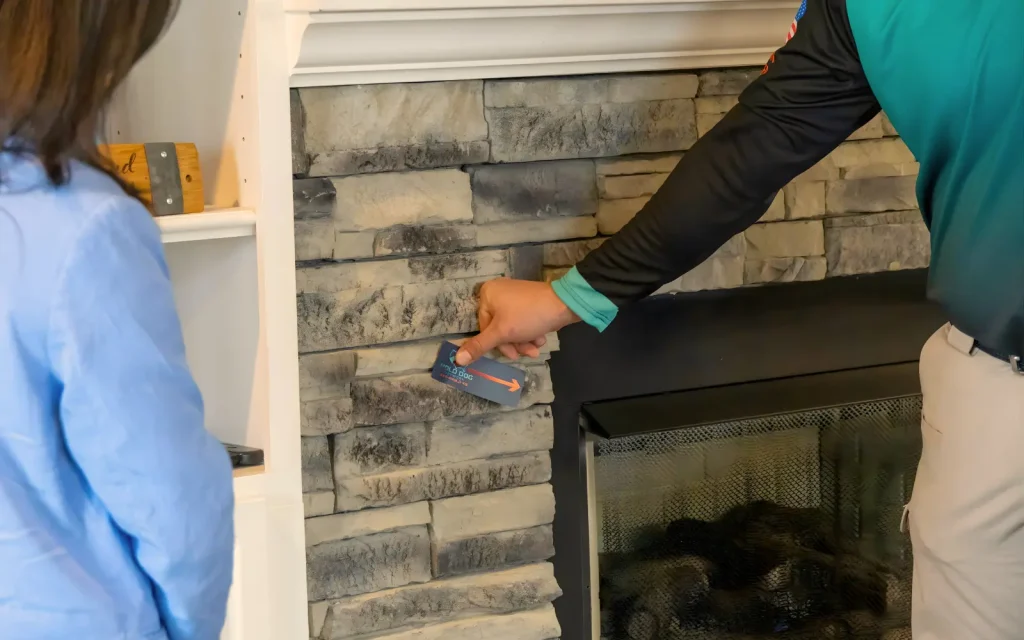
Mold often grows where homeowners cannot see it, including behind walls, under flooring, around chimneys, inside cabinets, above ceilings, and near HVAC systems. Hidden moisture from leaks, condensation, humidity, or poor ventilation can feed growth long before visible signs appear. Musty odors, staining, warped materials, and symptoms that worsen at home may signal a concealed problem. Mold Dog Network uses trained detection dogs to follow mold scent signatures and identify likely source areas without random demolition. A focused inspection helps homeowners avoid costly guesswork, understand where to investigate, and plan the next steps with greater clarity and confidence for remediation.
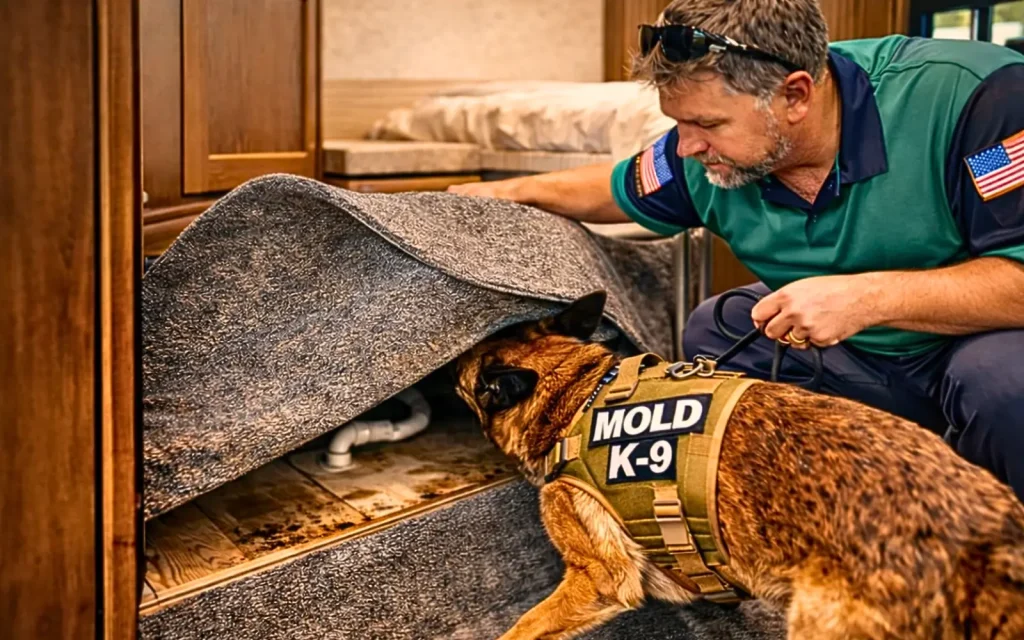
A mold dog sniffing under lifted carpet during a mold dog inspection in an RV
Mold Inspections

Can Mold Grow Under Flooring? Signs You Shouldn’t Ignore

Mold can grow beneath carpet, hardwood, vinyl, laminate, tile, and other flooring when moisture becomes trapped below the surface. Even when the top looks dry, padding, underlayment, adhesive, or subflooring may remain damp enough for mold to develop. Warning signs include musty odors, buckling, soft spots, swollen baseboards, staining, and a history of leaks or flooding. Mold Dog Network uses trained detection dogs to locate hidden mold scent without randomly pulling up floors. By identifying where odor is strongest, homeowners can avoid unnecessary demolition, focus the next inspection, and take informed steps to address moisture and remediation properly with confidence.

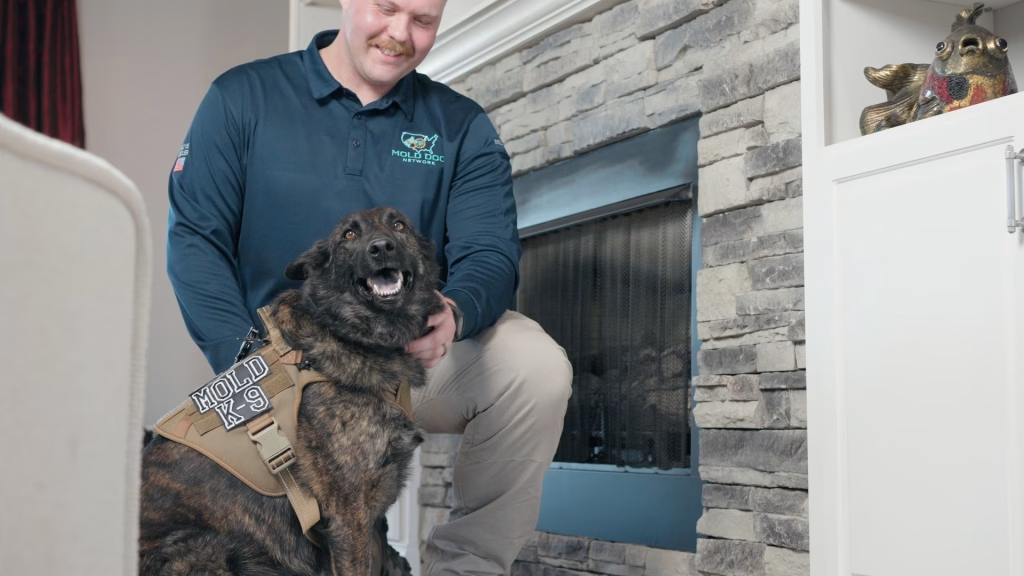
Smiling mold dog handler with mold dog
Mold Inspections

Can a House Full of Mold Be Saved? What to Know Before You Panic

Discovering mold throughout your home can feel overwhelming, but it does not automatically mean the property is beyond saving. The outcome depends on where the mold is growing, how far it has spread, which materials are affected, and whether the underlying moisture problem can be corrected. Before committing to demolition or costly remediation, homeowners need accurate source location. Mold Dog Network uses trained detection dogs to identify hidden mold odor behind walls, beneath floors, and in other hard-to-reach areas. With clearer information, you can avoid expensive guesswork, target the right areas, and move forward with a plan instead of panic.

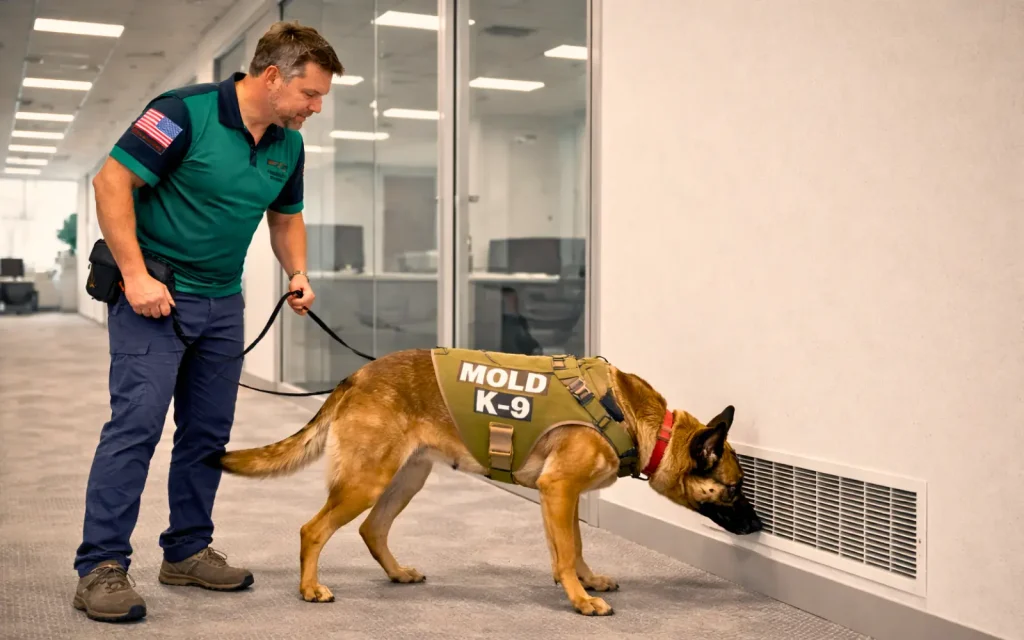
A mold dog snifing around an HVAC air vent during an office mold inspection
Mold Inspections

Mold in HVAC Systems: Why It’s Hard to Find and Easy to Spread

Musty odors that appear when your HVAC system runs may point to hidden mold in ductwork, drain pans, coolant-line cavities, attics, crawl spaces, or nearby walls. Because heating and cooling systems move air, a localized source can make the problem seem widespread and difficult to trace. This article explains how moisture, condensation, drainage issues, and poor maintenance contribute to HVAC-related mold—and why duct cleaning alone may not solve it. You’ll also learn how trained mold detection dogs help locate mold scent non-invasively, reducing guesswork and guiding more focused inspection, repair, and remediation decisions for homeowners concerned about their air quality.

A mold concern in a home being labelled after mold inspection
Mold Inspections

Hidden Mold in Your Home: Signs, Common Hiding Places, and How to Find It

Hidden mold can grow quietly behind walls, under flooring, around chimneys, inside cabinets, and near HVAC systems long before you ever see a stain. You may notice a musty smell, recurring dust, past water damage, or symptoms that feel worse at home, but still be told everything looks fine. That’s what makes hidden mold so frustrating: the problem is often buried inside cavities where traditional inspections can miss it. A trained mold detection dog uses scent to help pinpoint where mold may be hiding, so homeowners can stop guessing and focus on the source.

A mold dog and handler before an office mold inspection
Mold Inspections

When Should You Get a Mold Inspection? 9 Signs It’s Time

You don’t need visible mold on the wall before a mold inspection makes sense. Many homeowners first notice a musty smell, past water damage, failed testing, or symptoms that seem worse at home. This guide explains nine signs it may be time to schedule a mold inspection, including hidden mold concerns, old leaks, damp rooms, HVAC odors, and failed remediation. You’ll also learn when mold dog inspections can help locate mold behind walls, under flooring, inside cabinets, and in other areas traditional inspections may not clearly evaluate.

A mold concern in a home being labelled after mold inspection
Mold Inspections

What Happens After a Mold Inspection Finds a Problem?

Finding out a mold inspection has flagged a problem can feel overwhelming, but it doesn’t mean you need to panic or tear apart the whole house. The next step is understanding what was found, where the concern is located, and what kind of follow-up makes sense. This guide explains what happens after a mold inspection finds a problem, how to interpret mold dog alerts, when further investigation or testing may be useful, and how mold dog inspections can help homeowners move forward with clearer direction instead of guessing.

A mold dog sniffing under built in cabinets in an RV during a mold inspection
Mold Inspections

What Does a Mold Inspection Involve? A Step-by-Step Guide

A mold inspection shouldn’t feel like a mystery. Whether you’re worried about a musty smell, past water damage, failed testing, or hidden mold behind walls, knowing what to expect can make the process much less stressful. This guide walks through what happens before, during, and after a mold inspection, including how Mold Dog Network prepares the home, how trained mold detection dogs search for mold odor, what an alert means, and what homeowners receive afterward. You’ll also learn why mold dog inspections can be especially helpful when visual inspections or air testing haven’t found the source.

A mold dog network mold dog and handler inspecting a cabinet for hidden mold
Mold Inspections

What Do Home Inspectors Not Look For When It Comes to Mold?

A standard home inspection can be helpful, but it isn’t the same as a dedicated mold inspection. Home inspectors usually focus on visible, accessible areas and may not be able to evaluate what’s happening behind drywall, under flooring, inside cabinets, or within HVAC-related spaces. This matters when hidden mold is suspected after leaks, musty smells, failed testing, or past remediation. This guide explains what home inspectors typically look for, what they may not look for, and when mold dog inspections can help locate hidden mold odor that a standard inspection may not uncover.

A mold dog after identifying hidden mold in an HVAC vent
Mold Inspections

The Biggest Red Flags for Mold During a Home Inspection

A home inspection can reveal important mold red flags, but not every mold problem is visible. Musty odors, stains, warped flooring, damp basements, plumbing leaks, HVAC smells, and signs of past repairs can all point to possible hidden mold. This guide explains the biggest mold warning signs buyers, sellers, and homeowners should watch for during a home inspection, why some issues are easy to miss, and when mold dog inspections can help locate mold odor behind walls, under flooring, inside cabinets, or near HVAC-related areas.

A mold dog and handler in a residential home
Mold Inspections

Mold Inspection vs Mold Testing: What’s the Difference?

Mold inspection and mold testing are often confused, but they don’t do the same job. A mold test analyzes a sample. A mold inspection should help locate where the problem may be coming from. That difference matters when mold is hidden behind walls, under floors, inside cabinets, or in HVAC-related areas. This guide explains how visual inspections, air testing, swab testing, and mold dog inspections compare, where each method can help, and why testing alone doesn’t always tell homeowners where mold is growing. If your test results didn’t explain the problem, source location may be the missing piece.

Scroll to Top